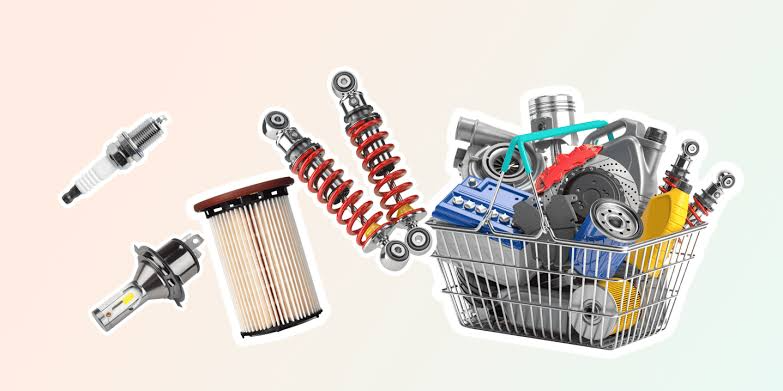
Online shopping is simple, fast, and often cost-effective. However, buying spare parts on marketplaces comes with specific considerations – and that’s exactly where high-quality car service and a team of technicians makes the difference.
With years of hands-on experience and direct access to trusted suppliers, Indy Auto Man technicians help drivers avoid costly mistakes.
Today, they answer key questions: how to choose high-quality parts, which sellers to look for, and what factors to consider before making a purchase.
Risks of Buying Spare Parts on Marketplaces
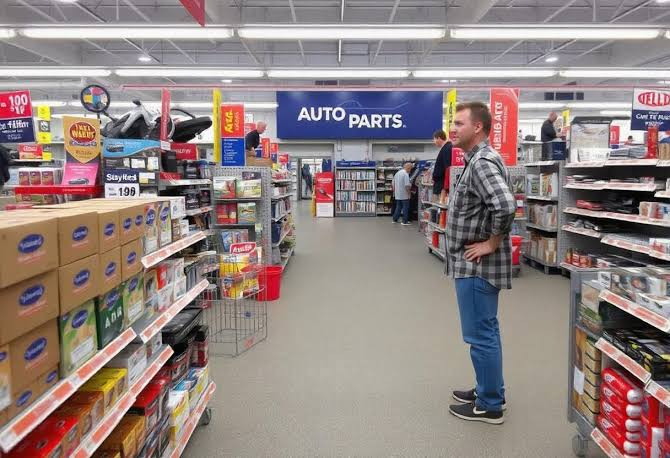
An attractive price for a desired part might lower your guard, but verifying the authenticity of marketplace products is essential.
Consumables are frequently counterfeited, specifically oil and air filters, spark plugs, and motor oils from major brands.
The situation is complicated by the fact that it is extremely difficult for the average car owner to visually distinguish a genuine part from a fake.
Doing so requires deep knowledge of parts from specific manufacturers: understanding packaging and labeling details, nuances of construction, materials used, and even package contents – knowledge that comes from hands-on experience, like that of the team at the Indy Auto Man car service in Indiana, who handle genuine car maintenance every day.
Substandard components can cause vehicle breakdowns and lead to failures in braking systems, steering, or even the engine. For instance, a counterfeit timing belt could snap during a high-speed overtaking maneuver on the highway, leaving the car immobilized in the oncoming traffic lane.
Brake failure on a long descent or a winding mountain road, caused by counterfeit brake pads, is equally dangerous.
Counterfeit motor oils and antifreezes also pose serious problems. While they rarely destroy the engine or cooling system radiators instantly, the consequences can literally turn the car into a useless piece of stationary metal.
Buying Complex Technical Assemblies
Under consumer protection laws and marketplace policies, many technical products purchased online can be returned, but return windows and conditions vary by seller and platform.
However, you may still face difficulties getting a refund for an expensive component or assembly (such as an electronic throttle body or an A/C compressor) that fails during the warranty period.
Even major online retailers will use every available legal avenue to shift the blame for the breakdown onto the buyer.
For instance, if a car owner performs the repair themselves or uses an informal backyard garage, it becomes very difficult to prove that the part failed due to a manufacturing defect rather than installation errors.
Expert analysis and legal services can cost far more than the part itself. One safeguard is to have repairs performed at an authorized service center that provides full documentation of the work done; this significantly increases your chances of recovering your money.
How to Buy Auto Parts Online Correctly
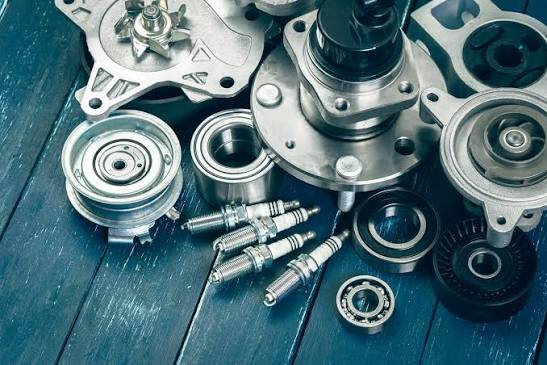
You should carefully inspect ordered auto parts before accepting delivery. If anything seems amiss, such as the item’s condition or the presence of defects, or if you have questions regarding its origin or authenticity, it is best to decline the purchase.
To reduce the risk of ending up with substandard parts, pay attention to negative reviews; they can highlight important details. However, evaluate reviews critically: a seller might delay shipment due to any number of valid logistical reasons. A premature part failure, by contrast, is a completely different matter.
Product verification programs and anti-counterfeit initiatives, such as brand authentication tools and marketplace buyer-protection programs, are beginning to yield results.
Their presence assures buyers that the seller supplied a genuine product that will not harm the vehicle. Notably, these verification options are increasingly available for lubricants and safety-critical components.
It is safe to purchase spare parts and consumables directly from manufacturers present on well-known online marketplaces.
These include established domestic and international companies that manufacture engine and transmission oils, antifreeze, brake fluids and pads, greases, filters, suspension components, and spark plugs.
You can typically access marketplace catalogs directly from the manufacturer’s official website, and technical support specialists or staff at the brand’s online store can help you choose the right spare part.
A manager’s recommendations can help you avoid ordering errors and choose parts with enhanced specifications, such as reinforced engine mounts, rubber-metal bushings, ball joints, and more.
Another reliable category of sellers consists of official distributors of major brands that maintain a strong presence in the U.S. market.
They often offer a wide range of products for maintaining and repairing various car models and provide comprehensive technical support.
Finally, purchasing parts directly from the marketplace itself, acting as the seller, is a safe option; in this case, the platform’s reputation serves as a guarantee of product authenticity. Consequently, the approach to selecting suppliers is very rigorous.
What Is Safe to Buy
As previously mentioned, you can safely purchase components from reputable manufacturers online: lubricants, filters, spark plugs, brake pads, rubber parts, antifreeze, and other inexpensive consumables.
First, counterfeiting budget-friendly parts is not economically viable; second, established companies constantly monitor the market and promptly crack down on attempts to introduce counterfeits bearing their brands.
It is also safe to buy major assemblies (starters, alternators, compressors, wiper motors), suspension parts, and timing belts, provided the brand is a third-party company officially present in the U.S. rather than the original equipment manufacturer (OEM).
High-quality parts are supplied by so-called “packagers” – wholesalers who place orders with various factories but market the products under a single brand name (e.g., Duralast, Carquest, AutoZone’s in-house brands).
Parts You Shouldn’t Buy Online
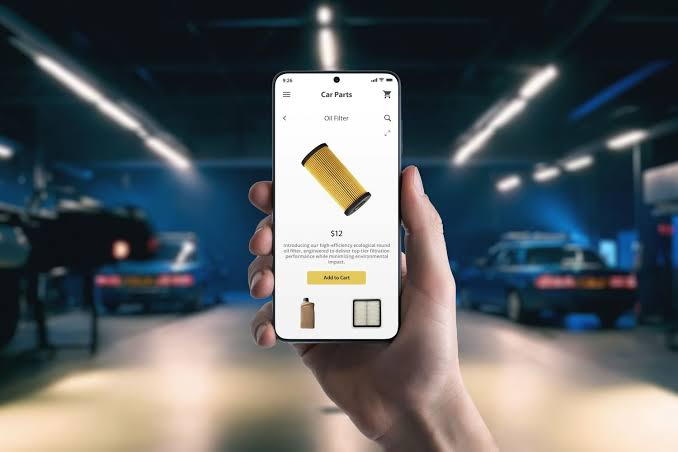
Experts do not recommend buying expensive parts bearing foreign automaker logos online; these parts are always sold at a high markup, and counterfeiters profit from the brand’s established reputation.
This category also includes all imported oils, especially those from brands with known counterfeit issues.
A container labeled Mobil, Castrol, or Shell might contain not the advertised lubricant, but a cheap counterfeit that poses a catastrophic risk to the engine or transmission.
The risk of encountering a counterfeit increases significantly if the listed price is well below market value.
Genuine, legally imported goods are not sold for a pittance. You should also be cautious of sellers who recently registered and joined the marketplace but already have numerous positive reviews.
The authenticity of such comments may be questionable.